


Charger for Robotics AMR AGV
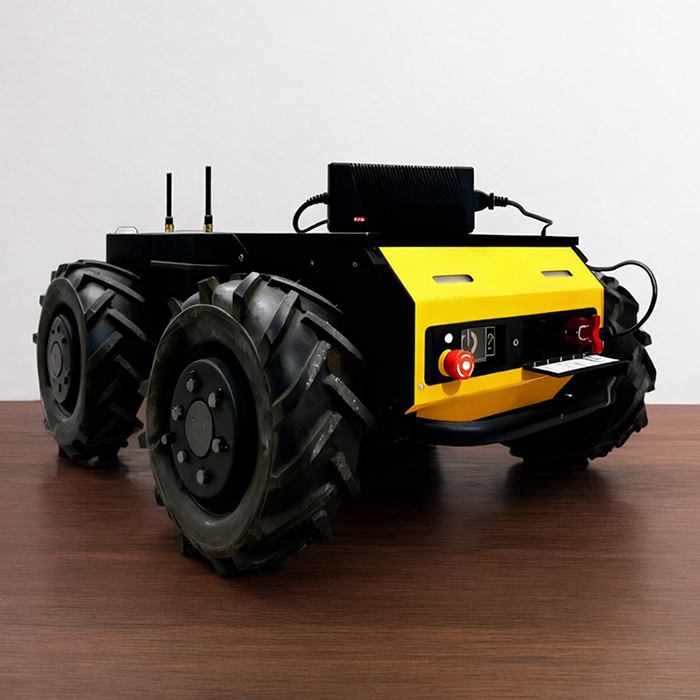
Battery Charger Solutions for Robotics, AMR and AGV
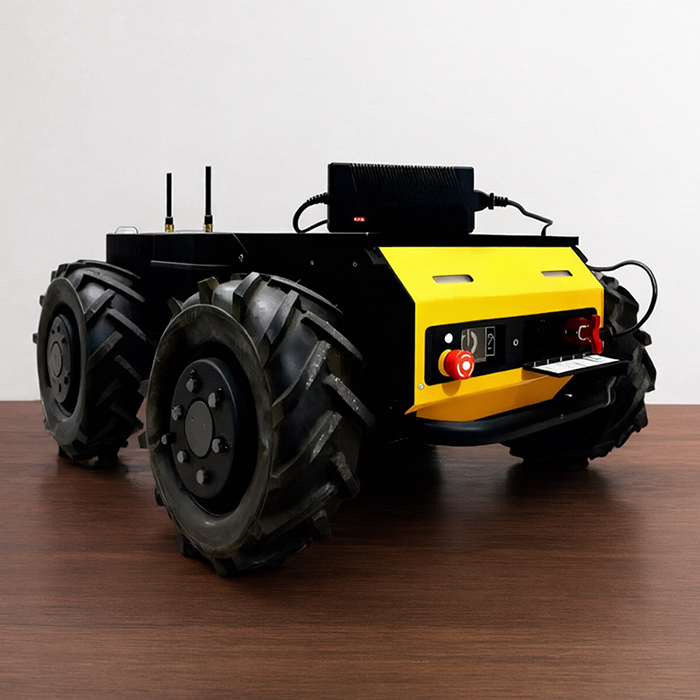
Henryuan provides OEM and ODM battery charger solutions for robotics, autonomous mobile robots (AMR), automated guided vehicles (AGV), wearable exoskeleton robots and other autonomous equipment. 3-stage efficient charging with global certifications CE, UKCA, GS, UL, cUL, FCC, ETL, SAA, PSE, CCC.
Henryuan Autonomous Robot Charger Options
For 4S lithium-ion battery robot systems, Henryuan offers:
16.8V 10A lithium robot battery charger.
16.8V 23A lithium AGV battery charger.
For 6S lithium-ion battery robot systems, Henryuan offers:
25.2V 5A AMR lithium battery charger.
25.2V 8A AGV lithium battery charger.
25.2V 10A autonomous robot lithium battery charger.
25.2V 15A lithium battery robot charger.
For 7S lithium-ion battery robot systems, Henryuan offers:
29.4V 5A robot battery charger.
29.4V 7A AMR battery charger.
29.4V 10A AGV battery charger.
For 10S lithium-ion battery robot systems, Henryuan offers:
42V 4A robot charger.
42V 5A AMR charger.
42V 10A AGV charger.
For 14S lithium-ion battery robot systems, Henryuan offers:
58.8V 2A wearable exoskeleton robot charger.
Custom Solutions
Henryuan robot chargers support custom charging voltage/current. Henryuan can also provide custom charger connectors, cables and cable assembllies.Advanced over-voltage protection(OVP), over-current protection(OCP), short-circuit protection(SCP) and reverse-voltage protection(RVP) make charging safe.
Frequently Asked Questions About Robot, AMR and AGV Chargers
1. What type of charger does an AMR or AGV need?
An AMR or AGV charger should match the battery chemistry, nominal voltage, charging voltage, maximum charging current, and BMS requirements. The charging interface also matters, especially for robots using automatic docking. The charger should be selected as part of the battery and charging system rather than based on output voltage alone.
2. How do I choose the right charger for an AMR or AGV?
Start with the battery specifications: chemistry, nominal voltage, capacity, maximum charging current, charging voltage, and BMS limits. Then consider how the robot operates, including daily runtime, available charging time, charging location, connector type, and whether charging is manual or automatic. These factors determine the required charger output and charging profile.
3. How much charging power does an AMR or AGV need?
Charging power depends on how much energy the robot uses and how much time it has available for charging. A robot with short charging windows may need more power than one with several hours of downtime. The battery's maximum charging current and BMS limits must also be considered before selecting a higher-power charger.
4. How long does it take to charge an AMR or AGV battery?
Charging time depends on battery capacity, charger output, battery state of charge, charging profile, and temperature. A simple estimate is based on battery capacity divided by charging current, but actual charging normally takes longer because the current changes as the battery approaches its target voltage.
5. What is opportunity charging for AMRs and AGVs?
Opportunity charging means charging a robot during short periods when it is naturally idle instead of waiting for one long charging session. An AMR might charge while waiting for a task, loading or unloading materials, or returning to a staging area. The strategy is commonly considered for systems that need high vehicle availability.
6. Does an AMR charger need to communicate with the BMS?
Not always. Some charging systems operate with a defined charging profile while the BMS provides battery-level protection. Other systems use communication between the charger, BMS, and robot controller to manage voltage, current, temperature, and charging status. Whether communication is required depends on the battery architecture and control system.
7. What information is needed to select an AMR or AGV charger?
The key information includes battery chemistry, nominal voltage, capacity, required charging voltage, maximum charging current, BMS specifications, charging time, operating schedule, charging method, connector, input voltage, communication interface, environmental conditions, and required quantity. For automatic charging, docking position, contact arrangement, and charging-station integration should also be defined.
Request a Custom Battery Charger
Robotic systems have different battery, charging, connector, and installation requirements. Henryuan can develop and manufacture custom battery chargers for robotics, AMR, AGV, exoskeleton, and other autonomous equipment based on your project specifications.
When requesting a custom charger, you can provide the following information:
- Battery type: Li-ion, LiFePO4, NiMH, lead-acid, or other
- Battery configuration and nominal voltage
- Required charging voltage and current
- Battery capacity
- Charging time requirements
- AC input voltage and plug type
- DC connector or charging port
- Cable length and connector configuration
- Available installation space and enclosure requirements
- Required certifications or target market
- Estimated required quantity
Our engineering team can review your battery and charging requirements, recommend a suitable charging specification, and support prototype development, certification, and mass production.
Need a custom charger for your specific robotic system? Contact Henryuan with your battery and charging requirements.
Browse the Henryuan website below:
Henryuan Group, the professional robot battery charger manufacturer, supporting OEM and ODM services.


 Mail inquiry